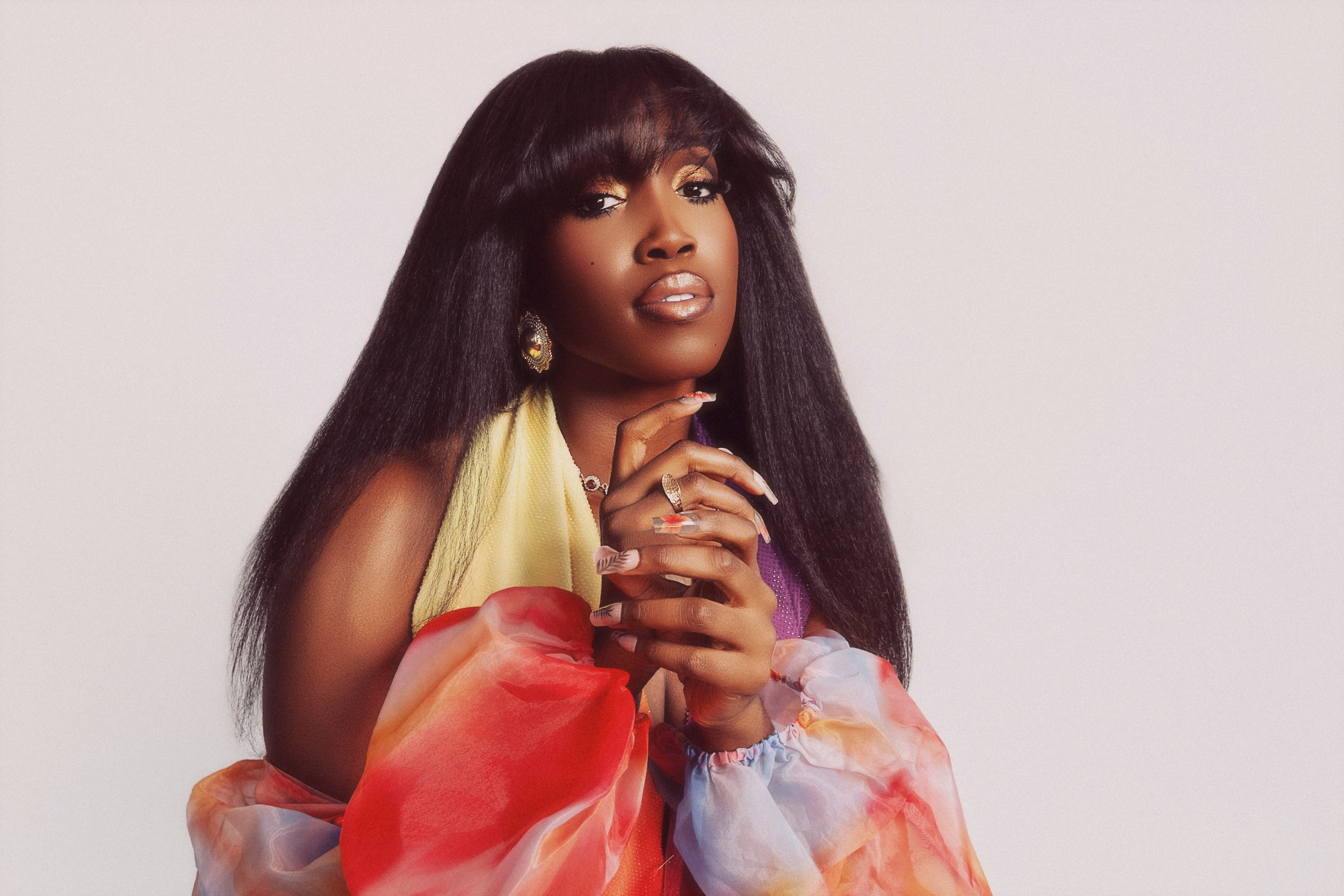
A glass of wine and some fries in Paris was the starting point for “Better Bad than Bitter,” the phrase that Emmanuelle June would turn into a song years later. What emerged during that search eventually became part of a reflection on betrayal and that uncomfortable moment when we recognize someone beneath the image we had constructed of them.
“For me, personally, it touches on betrayal and the need to step away; that sometimes we are better off loving some people from a distance,” says the artist, who found the collaboration she needed to give the single its definitive shape in the Swedish duo, The AfterHours. The elegance and vulnerability they brought to the piece also allowed her to open up, letting the song find its own direction without trying to control every decision.
Raised primarily in Stockholm, Emmanuelle has a background spanning acting, writing, and filmmaking. She brings that same freedom to the music video, which she co-directed with Michael Schempp. Her first visual reference was Fassbinder’s “The Bitter Tears of Petra von Kant.” From there, she developed characters who coexist as different expressions of the same person, united in a cycle where every ending contains another beginning.
Emmanuelle doesn't elaborate unnecessarily; she is surgical with her words, which hold an unusual depth within a surprisingly compact package. That quality carries over into her work, allowing listeners to experience a range of emotions that seems almost impossible to inhabit in such brief moments.
The phrase “Better Bad than Bitter” came to you years before you finished the song. How did its meaning change for you between that initial idea and the version you’re sharing now?
The phrase came to me as I was hunting for a glass of wine and fries in Paris; it is safe to say that it certainly took on a new meaning through the song.
The song explores the moment when an illusion shatters, and you can see what was previously hidden. Beyond the pain of disappointment, what aspects of that awakening did you want to explore?
It explores the moment that I see as “when false crowns fall.” For me, personally, it touches on betrayal and the need to step away; that sometimes we are better off loving some people from a distance.
You’ve described coming face-to-face with the version of yourself who believed in that illusion. If you could speak to her today, what would you say?
Be careful of foes posing as friends.
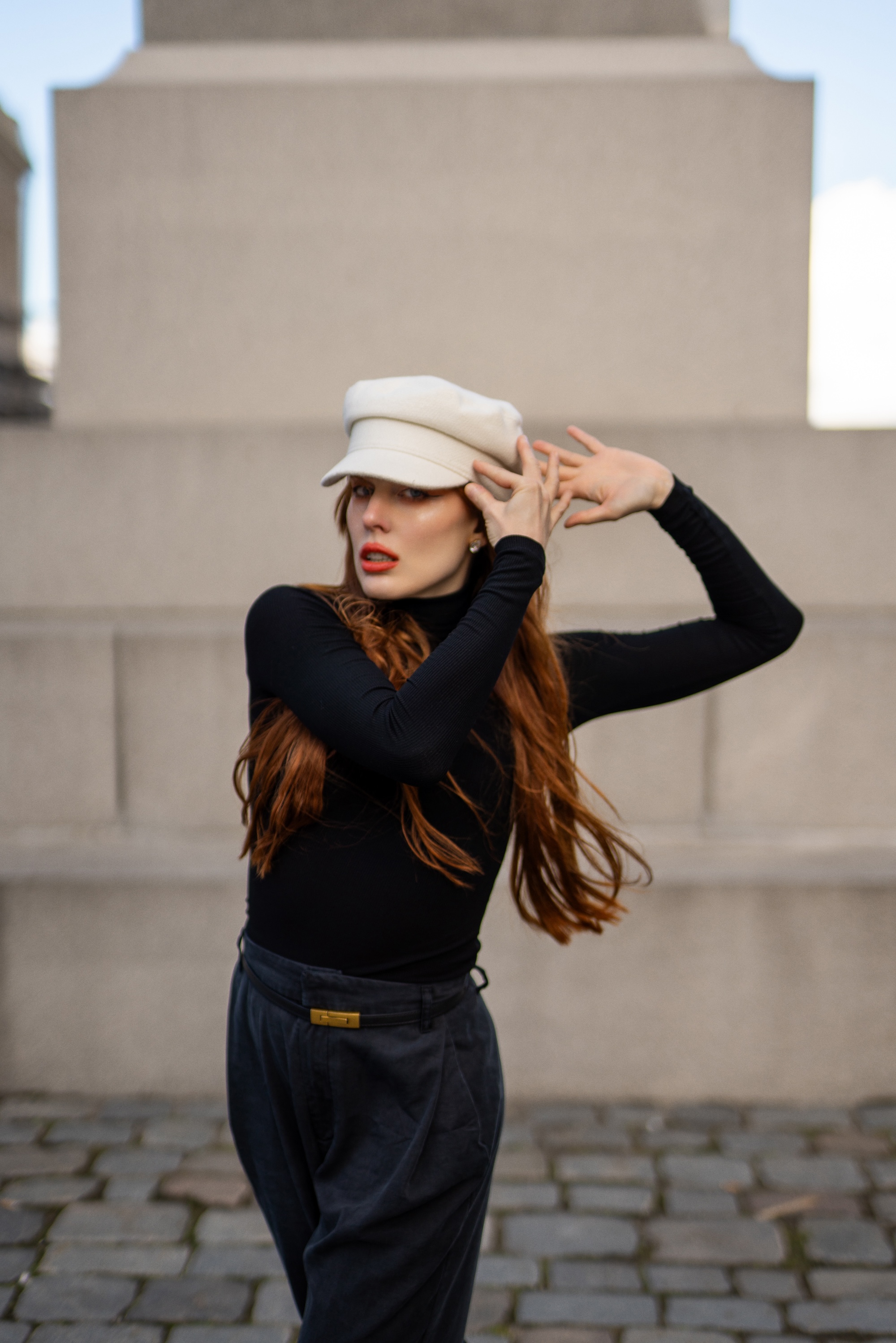
You tried out the lyrics with different collaborators before working with The AfterHours. What did you find in that collaboration that made you feel the song had finally taken its definitive shape?
They brought a beautiful elegance and vulnerability to the piece, and it opened up for me to be vulnerable as well.
How did you approach the sound to convey both disillusionment and the strength to get back up? Was there a particular musical decision that proved especially important in maintaining that balance?
It’s not something I was actively putting thought into; for me, it’s to let the piece reveal itself as it wants to be told. I try to get out of my head in order to be free to create, to not overthink, and to not manipulate the piece.
The music video draws on theater, Fassbinder, Salvador Dalí, James Bond, and the art of clowning. How did you decide which influences to bring to the screen to build a story of your own around the song?
Somehow it came together impromptu and made sense; it was how I see the sound. Immediately when planning the video, the first thing that came to my mind stylistically was The Bitter Tears of Petra Von Kant, and I don’t know why, but it opened something.
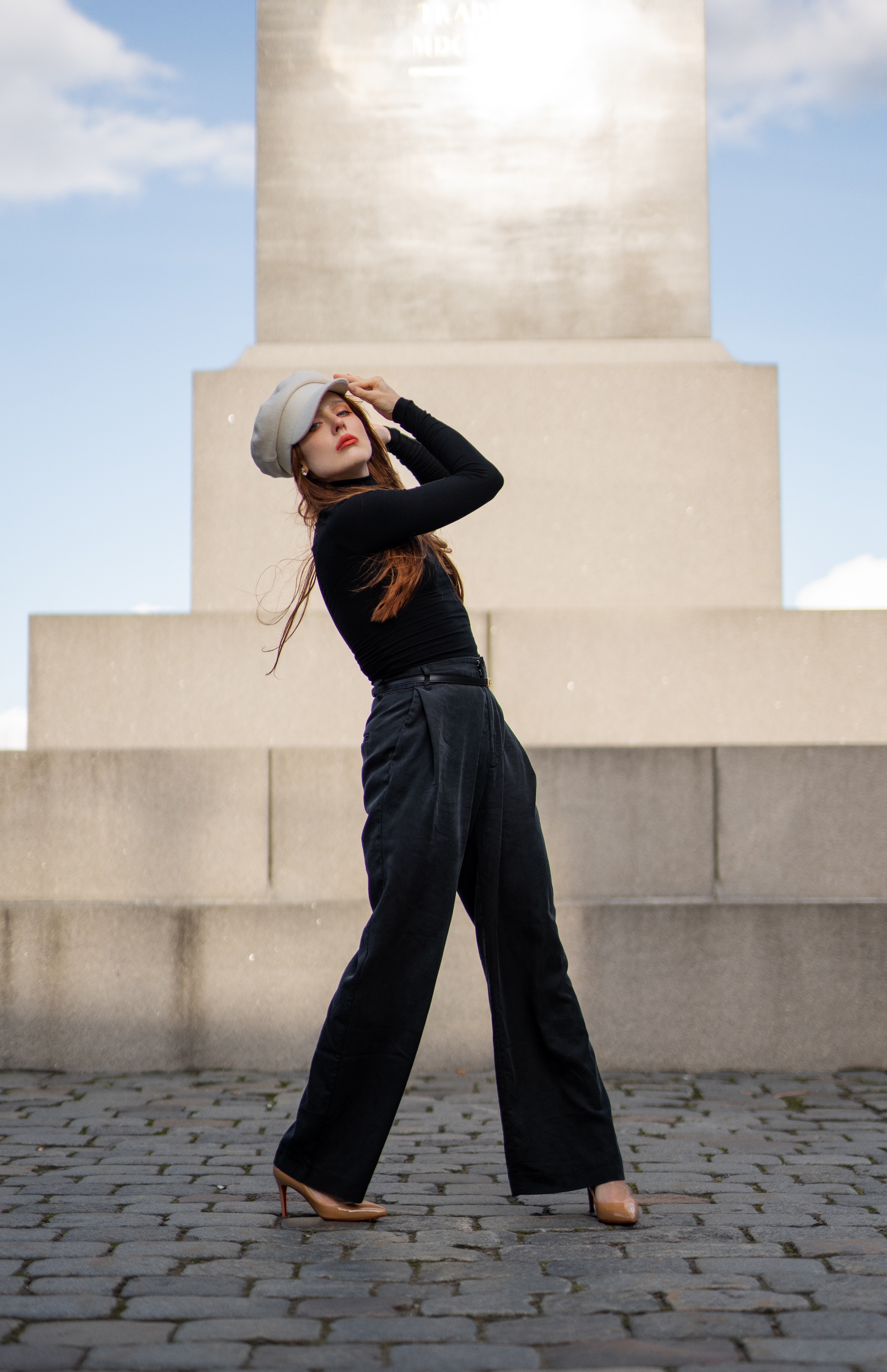
The idea that the clown always rises and overcomes defeat is central to the video. How did you approach bringing that idea to life through the visuals and editing?
I wanted to make each of the characters the same person, both complete on their own and linked together as one. I wanted all of them to be both a beginning and an ending to one another, like an ouroboros eating its own tail.
Your background spans acting, writing, and filmmaking. What does a song allow you to express that you can’t quite capture in the same way through those other mediums?
All those mediums can absolutely express fully on their own; I do, however, have a special love for music.
Before focusing on your solo project, you played in post-punk and psychedelic rock bands. What have you carried from those experiences into your current music, and what have you discovered through making your own artistic decisions?
It is great fun and inspiring to play in a band; the trouble is when egos clash. That is where being solo is an advantage, as you are more in control and centered in your own energy.
You’re presenting “Better Bad than Bitter” as the beginning of a new era. What possibilities does this release open up for you, and what would you like to explore in your next projects?
I have decided to stop dealing with anyone who tried to limit me artistically, in any shape or form. The world is my oyster, and the possibilities are endless.
Listen to “Better Bad than Bitter” and connect with Emmanuelle June on her website, Instagram, and YouTube.