“A Wicked Huntsman,” the debut album from Food for the Wyrm, is dark, intense, and incisive, but above all, unconventionally beautiful. It recalls the way Salvador Dalí once challenged artistic norms through surrealism or how Vincent van Gogh reshaped perception with his vibrant, expressive brushstrokes. Like those artists, it embraces the kind of vision that unsettles, fascinates, and leaves a lasting mark.
The eight-track collection begins with “Nigrido,” a shadowy piece wrapped in mystery that welcomes listeners into the band’s universe. Eerie and paradoxically magnetic, the song steadily builds through sustained noise meant to overwhelm the senses and prepare the ground for what follows.
“The Lowlands of Holland” arrives with the same intensity, opening with atmospheric sounds that send the heartbeat racing and place the listener inside a gothic landscape where the scraping of the strings echoes in the distance until the guitar fully takes control.
“Nobody's Fault But Mine” emerges as one of the most folk-driven moments on the record, once again placing the guitar and vocals front and center as the undisputed core of the project, creating a kind of catharsis that repeats throughout the album.
“Unfortunate Rake” appears with a greater sense of urgency, layering sound upon sound to create a complex composition in which the band’s identity becomes increasingly defined. Meanwhile, “Lovers and Friends” and “Blacksmith” complete a meticulously crafted section designed to build an atmosphere where, by this point, the colors, lights, and especially the shadows have become unmistakably clear.
“The Bells of Sleep” slightly shifts the tone, unfolding as an almost whispered spoken-word piece carried by an immersive voice that drifts from one ear to the other, like a surprisingly accurate representation of the inner voice within all of us, capable of either lifting us up or sinking us into the deepest void.
The journey concludes with “Rubedo,” a song that, despite maintaining the same dark atmosphere, seems to immerse the listener in a sustained calm before finally letting go and saying goodbye, hopefully transforming them into someone no longer afraid of the darkness.
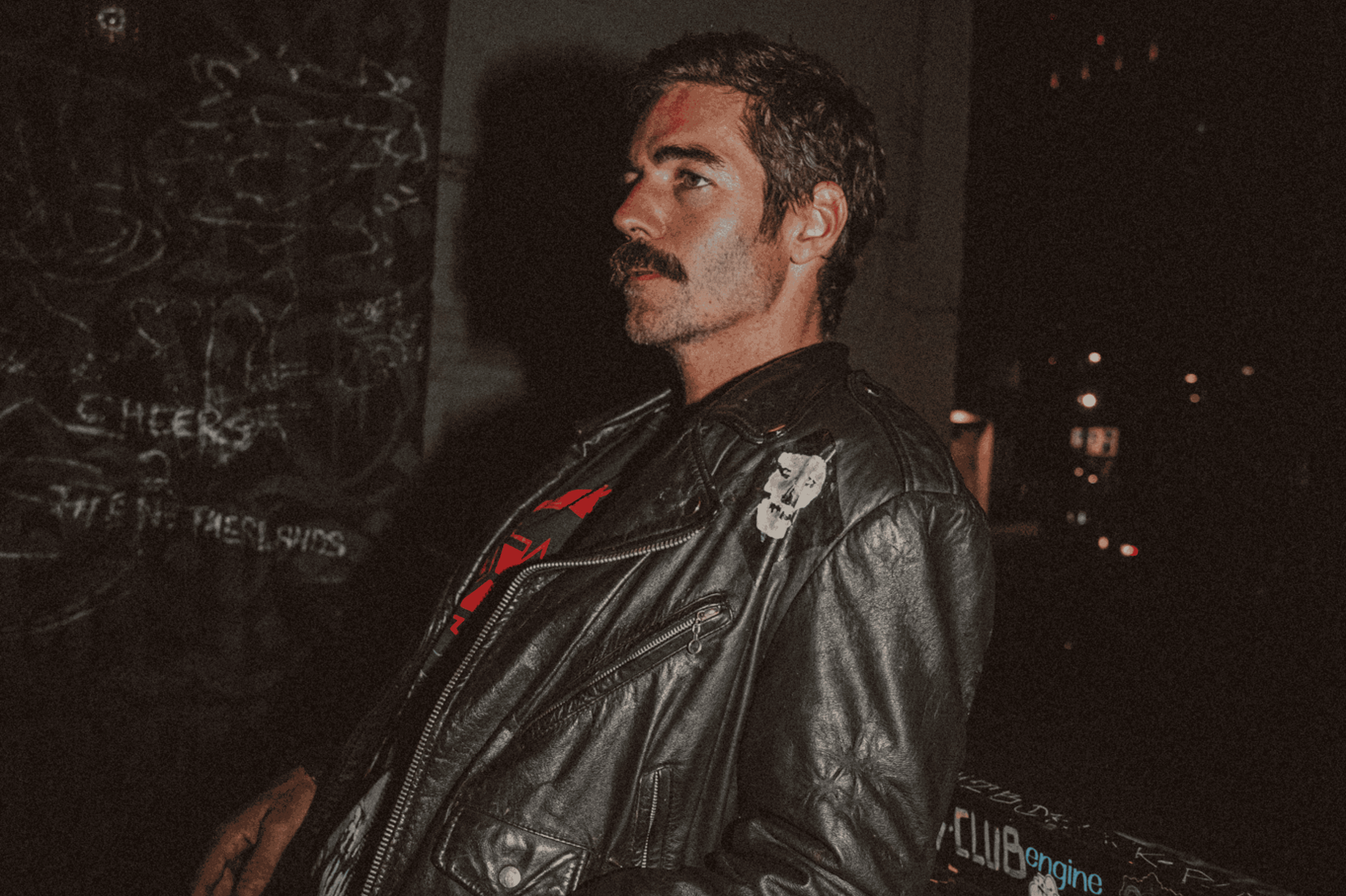
Behind this debut is Food for the Wyrm, the artistic evolution of California songwriter Beau James Wilding into far rougher, more aggressive, and existential territory, where traditional folk merges with punk impulses, doom textures, psychedelic drones, and an almost ritualistic sensibility. “A Wicked Huntsman” functions as a psychological exploration of fear, death, trauma, and the possibility of finding clarity after pain.
.png)
The album’s six central songs are conceptually represented by six flowers native to the Irish countryside, each associated with a different traumatic experience, such as betrayal, loss, shame, cruelty, addiction, and ignorance. That symbolic framework transforms the record into a kind of emotional and spiritual journey in which darkness becomes a tool for confrontation and growth.
The project’s visual identity was developed by Norwegian artist Zein Hestnaes, who helped shape a work deeply obsessed with shadows, the subconscious, and the inevitability of death.
The release also stands out for the way it reimagines traditional folk repertoire, blending it with original compositions and reinterpretations that expand its boundaries into far denser and more cinematic territory. Acoustic guitars coexist with synthesizers, endless drones, ceremonial percussion, and soundscapes suspended somewhere between the spiritual and the apocalyptic.
An important part of the album’s sonic architecture was shaped during its initial recording phase at Analogue Catalogue, a studio set in rural Ireland where the project first took form in the summer of 2024. From there, the material was later refined and mixed at Castaway 7 in Ventura, California.
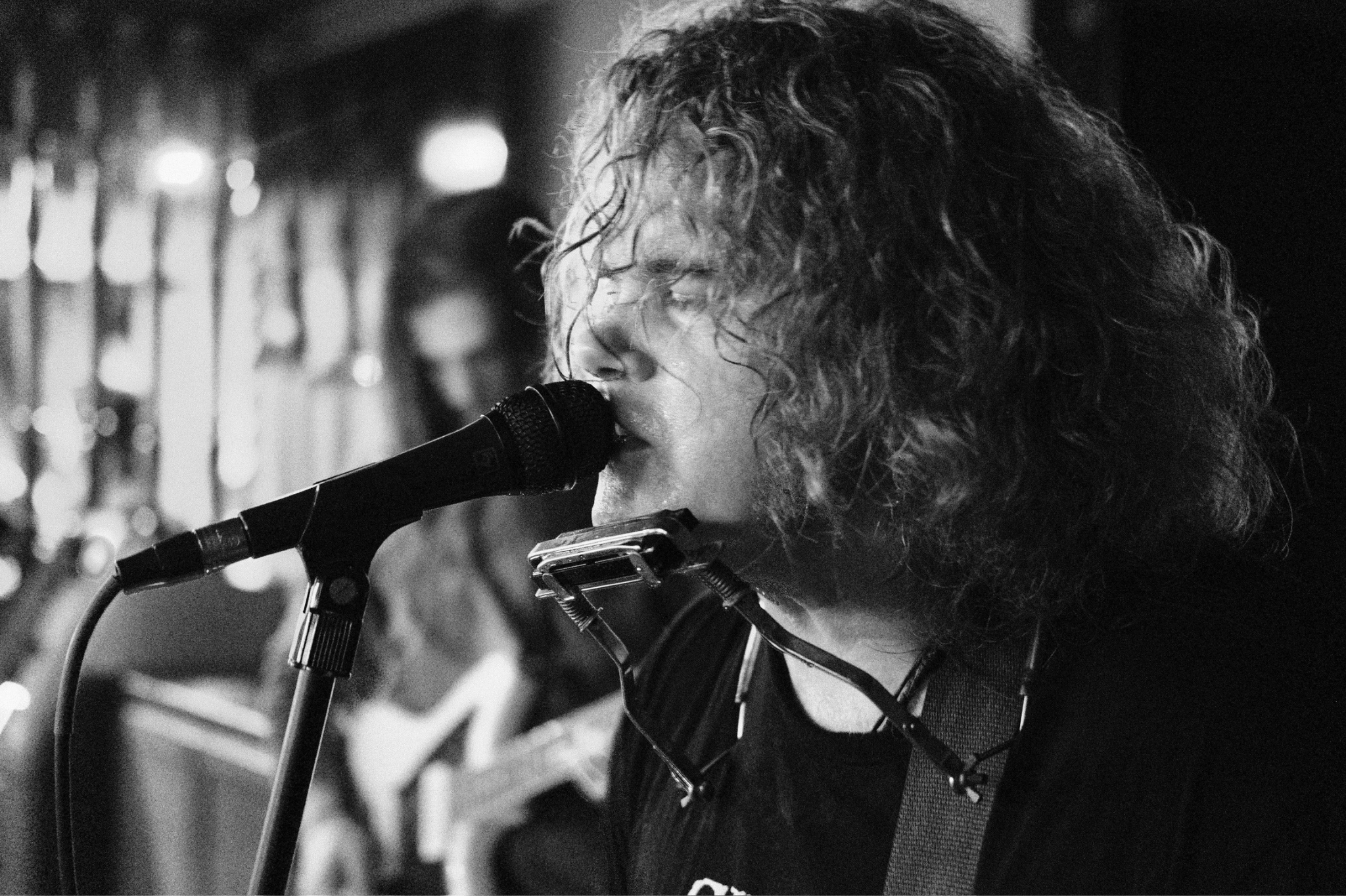
Beau James Wilding stands at the core of Food for the Wyrm as the guiding artistic force, with the record featuring contributions from “Irish” Tom on bodhrán and shruti box and Frank Martian on electric guitar and synthesizer, expanding the album’s ritualistic and textural range while remaining rooted in its folk-driven foundation.
With “A Wicked Huntsman,” Food for the Wyrm delivers an ambitious and carefully constructed debut, materializing a deeply honest artistic statement about human fragility, the passage of time, and the need to move through darkness in order to better understand oneself, even if comfort must be sacrificed along the way.

.png)