



For nearly a decade, Aviv Gilad has established himself as one of New York’s most consistent musical shape-shifters, a true musician’s musician whose work has resonated across the tangled terrain of prog-soul and experimental folk. On his latest single, “Live This Life,” released under the moniker Common Loon, Gilad delivers his most inspired gesture yet: a quiet disappearance. Embracing a less auteur-driven and more communal approach, the project carries an easy familiarity, the sound of an artist who has stopped racing his shadow and finally invited it to sit down for coffee.
Lyrically, "Live This Life" presents a refreshingly candid take on a midlife crisis that leads to a career change. Gilad captures the intoxicating freedom of leaving a job to chase "the dream," only to become fixated on the minutiae of domestic life, such as making sandwiches, taking bike rides, and filling the hours. "Maybe by now it’s too late/To learn what to do after I wake," he sings, distilling a distinctly modern anxiety in which the absence of boundaries becomes its own kind of confinement. Writing so openly about the collapse of the line between ambition and expression takes a rare kind of courage.
There is a pleasing, almost tactile quality to the song’s imagery of grooming and housekeeping. It’s in small rituals like shaving, clipping one’s nails, and sweeping the rooms that we find refuge when life’s larger questions become too heavy to carry. Gilad moves through the guilt of "wasting" a once-in-a-lifetime stretch of leisure and arrives at a place of radical acceptance. The song suggests that the distractions born from inaction are not flaws in the creative process but fundamental traits of being human.
“I'm declawed, I'm losing traction/I'm restless when relaxing,” stands as the song’s most pointed moment of self-examination.
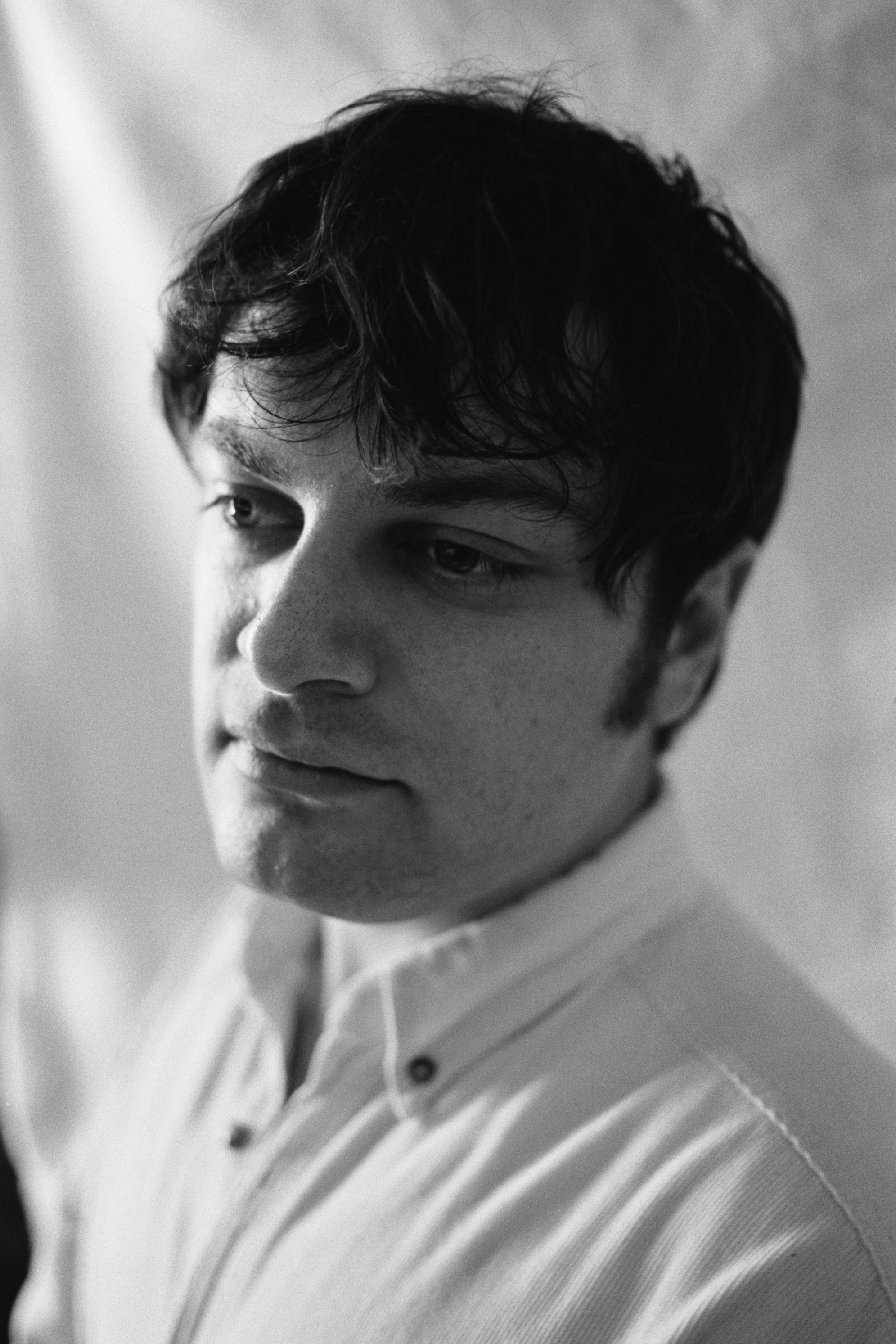
This impulse speaks to a culture perpetually on the brink of burnout. By confronting his own restlessness, Gilad sheds the pretensions embedded in the “artist as genius” stereotype. He is no longer pretending to hold a secret to happiness but simply articulating the struggle to “be something as simple as myself.” The vulnerability here feels earned and refreshingly distant from the usual strain of performative indie angst.
The collaborative nature of the song reflects Gilad’s evolving philosophy as a curator of community. With contributions from Will Graefe, background vocals by Alexia Avina, and Moog bass from Alex DeSimine, the track feels like a conversation among friends. This shift away from his earlier, technology-focused work with Valipala and toward the communal identity of Common Loon signals a meaningful evolution. The emphasis is no longer on proving technical ability but on the capacity to feel.
“Live This Life” answers the impossible questions it raises simply by existing and by embracing the quiet vastness of being human. The song itself is a product of the very "wasted" time that Gilad once feared. Whether touring the country with a cat-themed magnum opus or assembling a butcher shop sandwich, it reminds us that living is already happening.





.png)


